
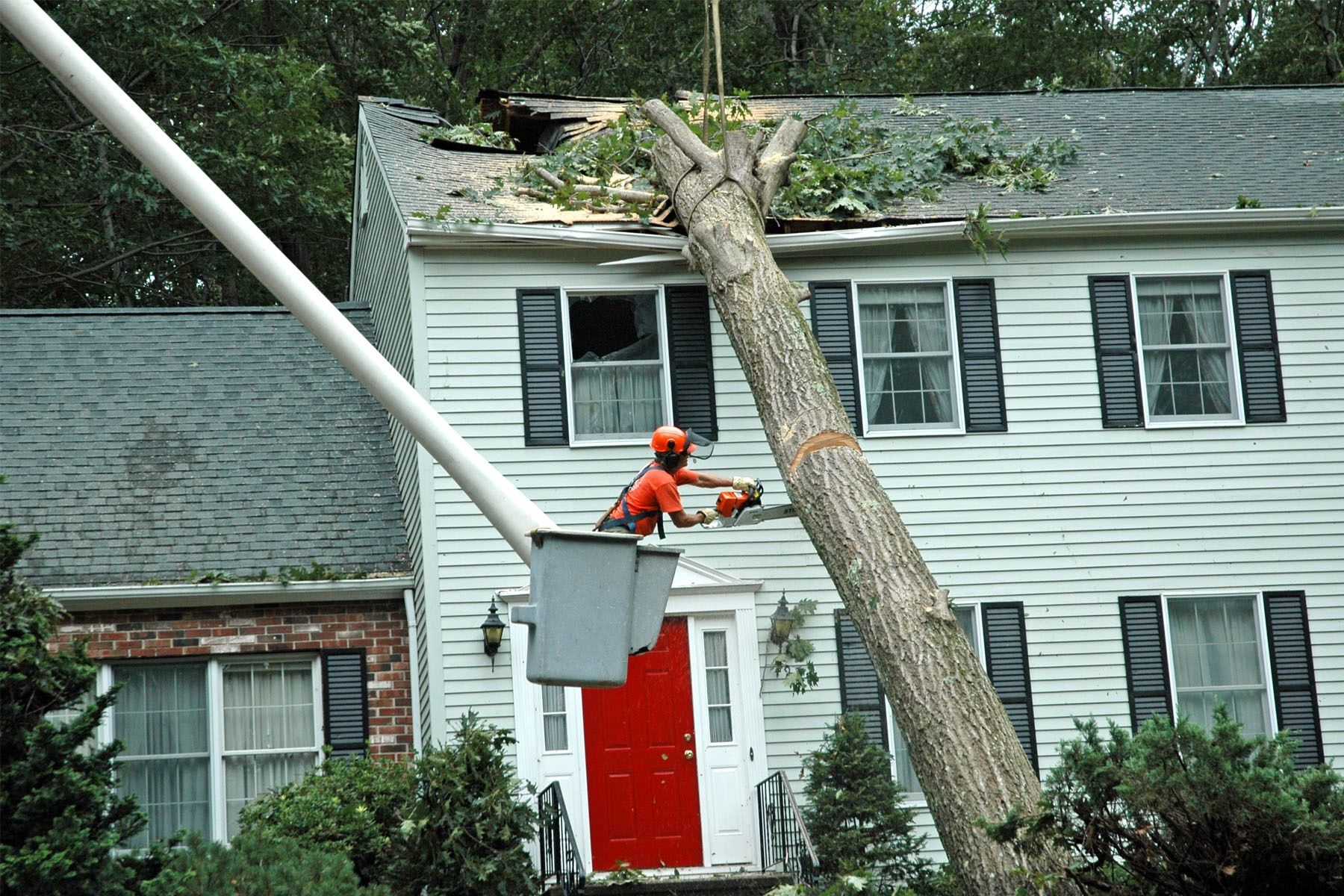
Before striking, storms do not seek for permission. Your tranquil yard can quickly become a hazardous area with trees split in two, branches strewn all over your driveway, or worse, a massive trunk perilously near your roof.
Knowing when to contact emergency tree service during a disaster can mean the difference between a speedy recovery and expensive outcomes. Fast action is essential, whether it is late at night or in the wake of a summer storm.
But what really counts as a tree emergency? How do you differentiate between a routine clean-up and a hazard that demands urgent help? This blog breaks down the most critical signs, gives you the steps to take after storm damage, and helps you recognize hazards that require urgent attention—so you can act fast, protect your property, and stay safe. When nature’s fury hits, knowledge becomes your best line of defense.
Recognizing Hazard Trees: When to Call for Urgent Tree Removal or 24/7 Emergency Service
When it comes to trees, their potential hazards are frequently overshadowed by their beauty and shade. However, even the healthiest tree may become dangerous during a severe storm or other unforeseen weather event. What exactly is a tree emergency, then?
Here are clear warning signs:
- A tree has fallen on or near your home, vehicle, or power lines.
- Large limbs are hanging precariously and could fall at any moment.
- A tree is visibly leaning more than usual or the soil around the roots is heaving.
- You see split trunks or cracks extending down the main trunk.
- The tree is blocking driveways, exits, or essential access points.
These are risks that could get worse very fast, therefore they should not be scheduled for next week. An emergency arborist inspection is required in these circumstances in order to assess the current threat and suggest safe remedies. When there is immediate danger, it is imperative to take action, particularly when lives, utility lines, or important structures are in jeopardy.
Common Hazards That Require Urgent Tree Removal And Professional Help
Every homeowner should be aware of the risks that need immediate response. Certain risks are simple to ignore until they result in irreparable harm. Here are some things to watch out for:
Storm-Damaged Limbs
High winds can twist, snap, or loosen branches, making them likely to fall.
Rotting or Hollow Trees
These may seem stable but are weakened from the inside out.
Uprooted Trees
If the root system is lifted even partially, the whole tree can come down during the next storm.
Trees Near Structures or Utilities
A compromised tree can easily collapse onto a home, shed, or power line, especially if already weakened.
These situations require urgent tree removal by trained experts. Homeowners trying to manage these risks without equipment or experience often make things worse. A professional 24/7 tree service ensures your safety and your property’s protection without risking injury or further destruction.
What happens during an emergency arborist inspection and why you need one fast?
An emergency arborist inspection should be your first call if you suspect a tree issue. However, what is involved in this?
A certified arborist will:
- Conduct a property risk assessment to examine which trees pose the most immediate danger.
- Inspect for signs of root instability, fungal decay, or split trunks that threaten collapse.
- Determine if the tree can be saved or if it requires immediate removal.
- Offer short-term stabilization (like cabling or bracing) or proceed with emergency tree cutting service if necessary.
It is all about timing. A preventable risk can become a catastrophic incident due to a postponed inspection. Unexpected falls might result in immediate expenses; a fallen tree can shatter a roof in a matter of seconds. For this reason, following any severe weather event, experts with training in emergency storm cleanup and hazard removal are crucial. When something does not feel right, call straight away and put safety first.
Storm Aftermath: Steps to Take After Storm Damage Before Help Arrives
Your first reaction may be to run outside to assess the damage after a storm has gone and the winds have subsided, but hold off. Following storm damage, there are important actions you and others may do to stay safe.
Here’s what to do:
Survey from A Safe Distance
If power lines are down or branches are hanging, stay far away.
Look for Leaning or Damaged Trees
These could be hazard trees that need immediate removal.
Document The Damage
Take photos of everything. You may need them for an insurance claim.
Avoid DIY Solutions
Climbing a ladder to cut limbs might seem fast, but it’s risky and often ineffective.
Call for Emergency Tree Service Immediately
Especially when it involves structures, vehicles, or power lines.
Why 24/7 Tree Services Matter in Emergencies: Timing Can Save Lives
Business hours do not apply to tree emergencies. A tree falling in the middle of the day is not any more harmful than one that falls at two in the morning. A 24/7 tree service can help with that.
Fast facts about 24/7 services:
- Available nights, weekends, and holidays.
- Trained crews ready for emergency storm clean-up and tree removal.
- Equipment like bucket trucks and chainsaws at the ready for tough jobs.
Imagine being unable to go for work or, worse, an emergency evacuation because of a huge limb that is blocking your driveway when you wake up. You are left stranded if there is no 24-hour response. Such time-sensitive risks necessitate prompt action.
No matter when nature strikes, you can rest easy knowing that you have a trustworthy emergency tree service. It is the kind of service that saves lives in addition to protecting homes.
Prevention Is Better Than Emergency: How Routine Tree Care Can Avoid Crisis
While emergency services are crucial, there’s an old saying that fits perfectly here—prevention is better than emergency. Many tree disasters can be avoided with regular inspections and maintenance.
Preventative tips include:
Scheduling annual property risk assessments to catch early signs of decay or instability.
Pruning trees away from power lines, roofs, and fences.
Removing dead or diseased trees before storms make them dangerous.
Watching for signs like mushrooms at the base of a tree, indicating internal rot.
FAQS
What situations qualify for an emergency tree service?
A tree emergency typically involves any situation where a tree poses an immediate threat to people, property, or public safety. Examples include trees that are leaning dangerously after a storm, have split trunks, or are blocking driveways and roadways. If a tree is at risk of falling, especially during the storm aftermath, it’s crucial to contact a 24/7 tree service for prompt evaluation and emergency arborist inspection.
How do I know if a tree on my property is a hazard?
Hazard trees often show visible signs like large cracks, dead branches, or roots lifting from the ground. If a tree has been damaged in high winds or lightning strikes and seems unstable, it could require urgent tree removal. Conducting a professional property risk assessment can help identify whether a tree needs emergency attention or preventive trimming. Remember — prevention is better than emergency.
What should I do before help arrives for emergency tree removal?
First, stay away from the danger zone — avoid going near the damaged tree, especially if it’s close to power lines. Second, take photos for your insurance company if it’s safe to do so. Third, know when to call emergency tree service — especially when a tree is causing structural damage or blocking access. Lastly, alert your family and neighbors, and stay safe while waiting for help from the professionals.
Know When to Call for Help and Get Rapid-Response Tree Removal Service
Tree emergencies are inconvenient, but they do not have to be disastrous. You can safeguard your house, family, and peace of mind by knowing what constitutes an emergency, acting quickly, and putting your trust in the experts. Remember the golden rule: know when to contact for quick aid, regardless of whether you are dealing with split trunks, hazard trees
, or a blocked driveway following a storm.
Do not wait for another storm to drive things over the brink or for damage to escalate. Be vigilant, take quick action, and prioritize safety at all times. Even the most severe storm aftermath can be handled calmly and successfully with professional direction and prompt action. And we are always available to help when you need us most.
Get rapid-response tree removal service from professionals who care about your property as much as you do. Your safety is our top priority—day or night.
