
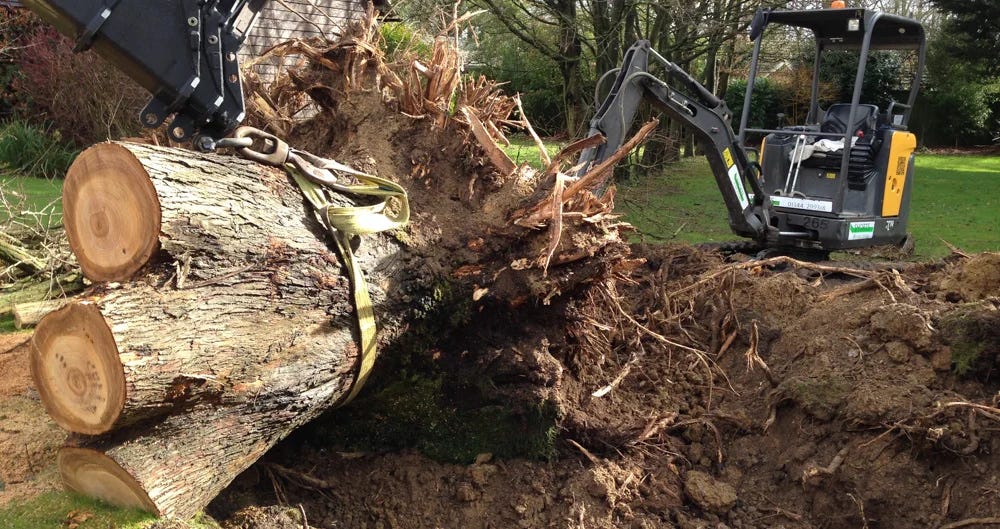
Stump removal isn’t just a cleanup task—it’s a crucial choice that shapes your landscape’s future. After a tree comes down, many homeowners are left wondering whether to grind the stump or go for complete stump removal. While both options clear the space, the impact on your yard, soil health, and long-term plans can be surprisingly different. Let’s break down which method makes the most sense for your property.
Understanding the pros and cons of each approach helps you make the best decision for your landscape’s health, safety, and appearance. Removing stumps isn’t just an aesthetic choice—it also protects against pest infestations, prevents regrowth, and clears the space for future use. In this blog, we’ll explore how grinding services compare to the full extraction and removal process and what you need to know about cost, effort, and results.
Whether you’re planning to plant something new or simply want a smooth lawn, choosing the right option matters. Let’s break down the facts so you can make an informed decision and leave no trace behind.
Understanding The Basics of Stump Grinding And Removal
After a tree has been cut down, the remaining stump might seem harmless or even rustic, but it can quickly turn into a hidden hazard in your yard.
Removing the stumps is an essential part of completing the job after the tree is removed because leaving a stump behind invites a range of stump problems, including unsightly regrowth, pest infestations, and fungal development.
Stump Removal or Grinding – Two Confusing Options
Homeowners typically have two primary options: grinding services or full removal. While both aim to eliminate the stump from sight and useable yard space, they achieve this through very different approaches.
Grinding uses powerful machines to reduce the stump into fine mulch below the ground’s surface, creating a level patch that visually blends into the yard.
On the other hand, full removal involves extracting both the stump and its main root system entirely from the ground.
Root Decay – A Critical Aspect
A critical issue to keep in mind is decaying process of the roots. If stumps are left untreated underground, their decaying roots can affect nearby plants, potentially encouraging fungal growth or even spreading disease to healthy vegetation. Decaying roots can also attract insects like termites, carpenter ants, and beetles, which could migrate to healthy trees or even your home’s foundation.
Stump removal is the final step in reclaiming your yard after tree work—highlighting why it’s crucial to consider your long-term landscape goals.
Pros and Cons of Grinding Stumps
Quick, Less Invasive Option
One of the main advantages of grinding services is speed and minimal disruption to your yard. Specialized stump grinders shred the stump down into small wood chips, leaving the roots intact underground but flattening the visible portion. This process is significantly less invasive than full excavation, requiring no digging around the stump’s perimeter or major soil displacement.
Grinding offers an ideal solution for homeowners seeking an affordable, quick fix to an unattractive stump. The work is typically completed in a few hours, and the wood chips can be left on-site as mulch or removed by the service provider, depending on your preferences.
However, it’s important to understand what grinding doesn’t do: it doesn’t remove the root system beneath. The roots will slowly decay underground over the years, which can lead to soft spots or potential underground voids in the future.
Impact On Future Landscaping
Because grinding doesn’t extract the deep roots, this option of stumps can affect future planting. If you plan to plant a large tree or a shrub with a deep root system in the same location, those remaining underground roots may obstruct digging or root development.
For projects that only involve replanting grass, laying sod, or installing shallow-rooted plants, grinding provides sufficient clearance. But if you intend to build a patio, install a fence post, or set up another structure requiring stable soil, grinding alone may not provide the long-term foundation you need.
Many homeowners opt for grinding when they prioritize cosmetic improvement or don’t anticipate major landscaping changes in the immediate future. It’s a practical compromise between affordability, speed, and immediate yard usability.
Pros and Cons of Full Stump Removal
Complete Elimination of Roots
If your goal is to completely eradicate the stump and its root network, the best option is to hire professional stump removal providers. This method uses heavy machinery or manual labor to dig around the stump, sever major roots, and lift the entire structure from the ground. The result is a fully cleared space, free of underground obstructions and lingering organic matter.
This comprehensive removal approach eliminates worries about stump problems like root decay, underground pests, or fungal spread. By clearing both the visible and hidden parts of the stump, you’re ensuring nothing is left behind that could interfere with your future plans.
Ideal for Future Planting Plans
One of the biggest advantages of full removal is the clean slate it offers for your landscape. If you plan to plant a large tree, install a garden bed, or build a structure on the cleared space, removal eliminates any underground interference that could compromise root growth or structural integrity.
However, it’s worth noting that this method comes with a higher price tag and greater yard disruption. Heavy equipment can tear up surrounding grass, leave ruts in the soil, and require additional restoration afterward. You’ll likely need to backfill the excavation site and may need to reseed or re-sod the area.
For homeowners with extensive landscaping plans or structural projects in mind, the upfront investment of full removal can prevent headaches down the line—making it well worth the effort despite the higher initial cost.
Comparing costs: grinding vs. Full removal
The cost of stump removal is influenced by several factors, including stump diameter, tree species, location, soil conditions, and accessibility. Grinding works are generally more affordable because they require less labor, smaller equipment, and minimal restoration afterward.
In contrast, full removal often involves larger machinery, such as backhoes or cranes, especially for mature trees with deep, widespread roots. Labor costs increase because of the time and effort required to excavate and haul away the stump and debris. You’ll also need to factor in the cost of filling the hole and restoring the landscape.
Remember, grinding and removal options affect the total price differently. If you have multiple stumps to address or if the stump is located near utilities, structures, or fencing, pricing may increase due to complexity and safety considerations.
It is always recommended to get multiple quotes from reputable professionals to understand the breakdown of costs and the scope of work involved with each option.
Professional Stump Removal – How Experts Handle the Work
Hiring a reputable and expert stump removal service ensures the work is done efficiently, safely, and in compliance with local codes. Depending on the chosen method, professionals bring specialized equipment like stump grinders, chainsaws, backhoes, or winches.
The stump removal process typically starts by cutting the stump as low to the ground as possible, followed by grinding or excavation. Once the stump is eliminated, the crew cleans up debris, hauls away wood chips or root fragments, and backfills the hole for safety and aesthetics.
Don’t forget: permits and risks you should be aware of may come into play, especially if underground utilities or water lines are nearby. It’s crucial to mark utilities before digging to avoid costly or dangerous accidents.
Safety is a major priority for professional crews, who wear protective gear and follow best practices to minimize risks to people, pets, and property during the operation.
Beyond removal: what happens next?
Once the stump is gone, the next phase is restoration and reimagining the space. Depending on the method used, you may need to fill the void left behind with topsoil, compact the area to avoid settling and replant grass or other vegetation.
What happens after the tree comes down? The removal opens up exciting opportunities to redesign your yard, but it also comes with responsibilities. You may need to monitor soil settling, choose plants suited for the newly cleared area, and protect the site from erosion until landscaping is complete.
Whether you choose grinding services or full stump removal, completing the process ensures a healthier, safer, and more visually appealing outdoor space. Investing in professional help not only protects your property value but also paves the way for your next landscaping chapter—free of obstacles beneath the surface.
Make Your Decision Based On Cost of Stump Removal and Your Budget
Deciding between stump grinding and complete stump removal isn’t just about aesthetics—it’s about planning for your yard’s health, safety, and function. Both options solve the problem of an unsightly stump, but they differ in depth, effort, and long-term outcomes.
Grinding is faster, less expensive, and gentler on the surrounding landscape. It’s ideal if you’re not planning deep planting or structural work in the area. Full removal clears everything down to the main roots, paving the way for replanting or construction but requiring more labor and investment.
Ready to remove unwanted stumps safely? Contact us today for expert advice, a clear cost estimate, and professional service that leaves your yard clean, safe, and ready for new possibilities.
