
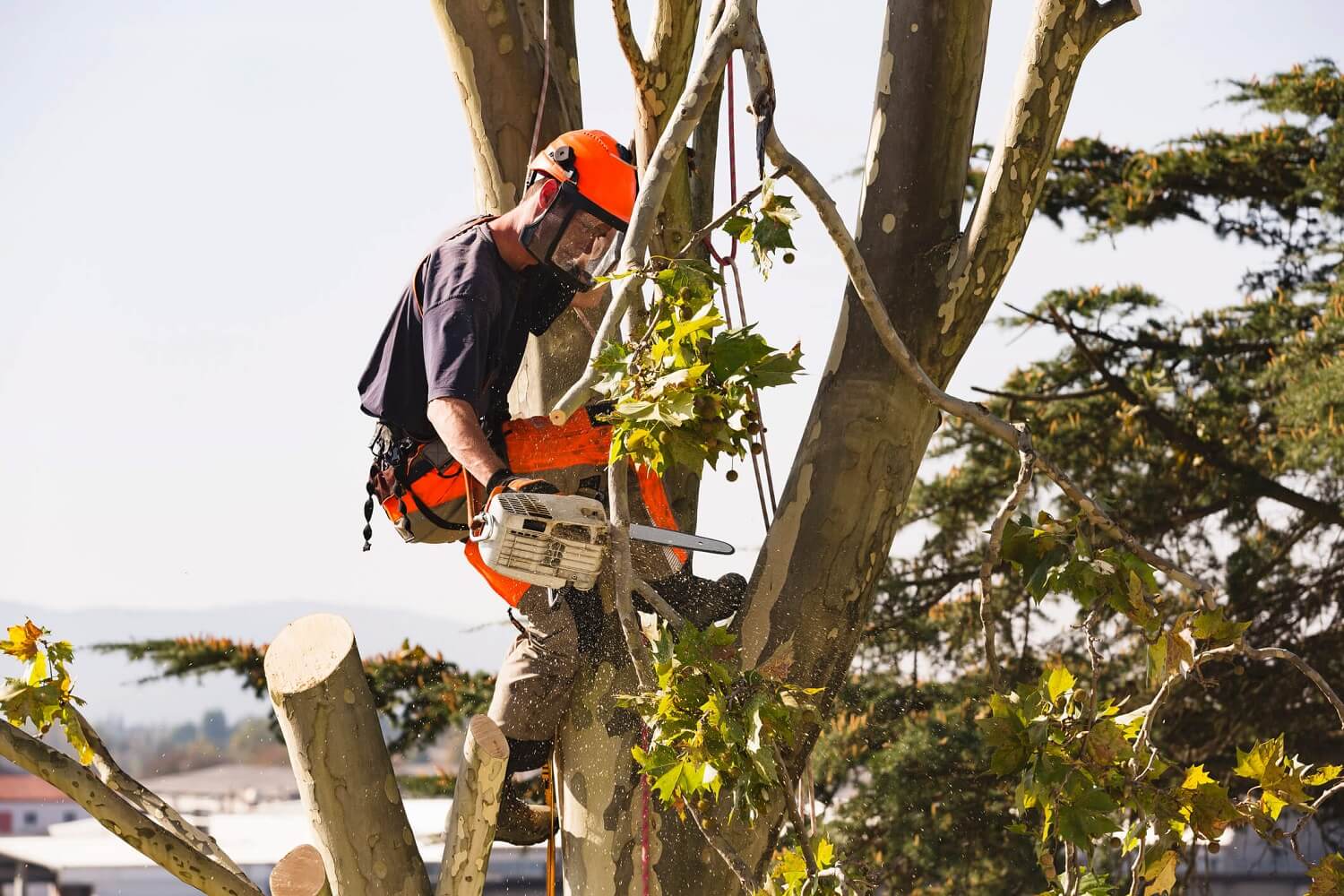
Trees are the best guardians of our yards and gardens—standing tall, promising shade while adding beauty to our homes. But even the strongest trees need a little bit of help to keep standing without falling apart. Have you ever looked at the beautiful towering oak in your garden and wondered if it’s the time for a perfect trim and pruning?
Recognizing tree trimming signs early is essential for keeping your trees healthy, safe, and stunning. Without proper attention, an untrimmed tree can quickly become a threat—putting your property, loved ones, and even the tree itself at risk.
But how do you know when it’s the best time to call in the professionals for help? Well, this guide will walk you through the most crucial clues your tree may be sending, the benefits of trimming, and how to stay proactive in your tree maintenance journey.
Let’s discover all the signs your tree is calling for care!
How Weather Affects Trees Throughout the Year
Many homeowners believe that trimming a tree is nothing more than decorating it, but it’s so much more. You must regularly trim it to keep the tree’s structure strong. This promotes overall healthy growth and reduces potential dangers.
But what if you have a mature shade tree? Or a young sapling that’s not even of your height right now? No matter what, you need to trim your trees and bushes to ensure proper growth and health.
In fact, trimming plays a vital role in overall tree health , helping prevent disease, allowing more sunlight to reach inner branches, and ensuring balanced growth.
All trees and their branches grow too densely or even awkwardly, where they continue to compete for resources and nutrients, leading to weaker limbs and potential breakage.
Beyond the tree’s health, trimming also safeguards what’s around it. Falling branches can damage roofs, cars, and power lines—or worse, injure someone. A well-trimmed tree isn’t just beautiful; it’s safe and resilient.
Visible Tree Trimming Signs You Shouldn’t Ignore
Knowing when a tree needs attention starts with your eyes. You need a better tree inspection to find the signs. Take a moment to stand back and examine your tree from different angles. These visual indicators are some of the clearest indicators telling your tree’s TLC is overdue.
1. Dead and Diseased Limbs
One of the most critical reasons you should opt for trimming is the presence of dead limbs!
If you notice brittle, leafless, or bark-less branches—even during growing season—those limbs are no longer alive and can fall without warning.
Similarly, weak or hanging branches indicate disease or a problem like discoloration, oozing sap, fungal growth, or unusual swelling.
Dead and diseased branches don’t just threaten your safety; they also drain the tree’s energy and can spread illness to healthy parts. Trimming these limbs early protects both the tree and its surroundings.
02. Crossing Branches and Brittle Limbs
Look for branches that are weak and loosely swinging in the air. These limbs are often stressed or damaged from windstorms, weight, or poor growth patterns. Left unattended, they can fall during high winds or under their own weight.
Another sign is branches crosses each other, where two limbs rub against each other. This friction can wear down bark, creating wounds that invite pests and disease. Strategic trimming prevents this internal damage and improves the tree’s structure.
03. Power Line Interference & Storm risk
Are you seeing any branches reaching or touching the power lines? Now is the time to deal with this interference before it becomes risky and causes unimaginable destruction. Always remember that trees growing into utility lines can disrupt service or cause fires.
Moreover, consider your region’s weather patterns!
Risk intensifies when heavy limbs overhang structures or properties. Storms and seasonal shifts can trigger the need for trimming , especially after harsh winters or intense windstorms. Preventative trimming reduces the likelihood of storm-related damage.
When to Trim Trees – Learn The Timings and Seasonal Factors That Make the Difference
This is the most common question homeowners ask!
Timing is everything when it comes to trimming. While emergency trimming can happen at any time, routine care is best done when the tree is dormant—typically in late fall or early spring.
When you know the exact time or season to trim your trees, the chances of disaster, dead limbs falling on your properties, and damages decrease. This also ensures faster healing and less stress on the tree.
Certain species may benefit from summer trimming to manage growth or flowering. Understanding these differences and urgencies is one of the smartest tree care tips a homeowner can learn.
A well-timed trim boost both the aesthetics and health of your landscape.
Tree Inspection – Why Professional Help is the Best Course of Action?
Not sure where to start? Begin with an inspection!
Walk around your tree, checking from the base to the highest branches. Look for any of the warning signs we’ve discussed: broken limbs, crossing branches, leaning growth, or unusual discoloration.
A thorough inspection can reveal hidden problems before they escalate. If you spot anything concerning—or aren’t confident in your assessment—it’s wise to call in an arborist. Professionals have the training to spot subtle structural or health issues the untrained eye may miss.
Canopy Thinning – A Tree Trimming Sign That You Shouldn’t Miss
Ever notice that your tree’s upper branches look sparse, uneven, or patchy compared to the rest of the crown?
This is called canopy thinning, which is one of the more subtle but important signs that homeowners often overlook. This condition occurs when the density of the branches and leaves in the upper portion of the tree starts to decline, creating gaps where there should be healthy, full foliage.
But why does this even happen?
It’s usually a result of overcrowded growth, where too many inner branches are competing for the same limited sunlight and nutrients. When the upper branches don’t get enough sunlight, they weaken, die off, or fail to produce new leaves.
This reduces the tree’s overall photosynthetic capability since fewer healthy leaves can capture sunlight and create energy. Over time, a thinning canopy can lead to declining health, reduced vigor, and increased vulnerability to disease and pests.
Trimming is a vital intervention here! By carefully removing overcrowded inner branches and selectively thinning areas where growth is too dense, a professional arborist can restore balance and improve light penetration throughout the canopy.
Trimming is different from pruning?
It’s a common misconception that trimming and pruning are the same thing, but understanding their differences is key to proper tree care.
Learn how trimming differs from pruning: trimming primarily focuses on controlling a tree’s outward appearance, managing overgrowth, and shaping the canopy for aesthetic appeal and safety. It’s about keeping the tree neat, preventing it from advancing on structures, and reducing risks due to overextended branches.
On the other hand, pruning is more health-oriented. Pruning involves the selective removal of dead and diseased limbs or structurally weak branches to improve the tree’s inner health and encourage stronger future growth. It’s often more targeted, emphasizing the removal of specific problematic parts rather than shaping the whole tree.
Ideally, a tree maintenance plan includes both trimming and pruning at different intervals to balance health and structure.
Recognize The Tree Trimming Crisis Before It’s Too Late
Recognizing tree trimming signs early can prevent accidents and extend the life of your trees. Genuine tree care tips and addressing trimming issues promptly ensure safety and beauty in your landscape.
You must know when to trim trees as without proper information, you can never keep your yard healthy and beautiful all seasons long.
Don’t wait until it’s too late—schedule your professional tree trimming today with certified arborist today and give your trees the care they deserve.
Always remember that a well-maintained tree not only enhances curb appeal but also contributes to a healthier environment.
For expert advice, reliable service, and a detailed understanding of all the tree trimming signs, trust Kustom Trim Tree to keep your greenery in peak condition.
Contact us now, and let’s grow together!
