
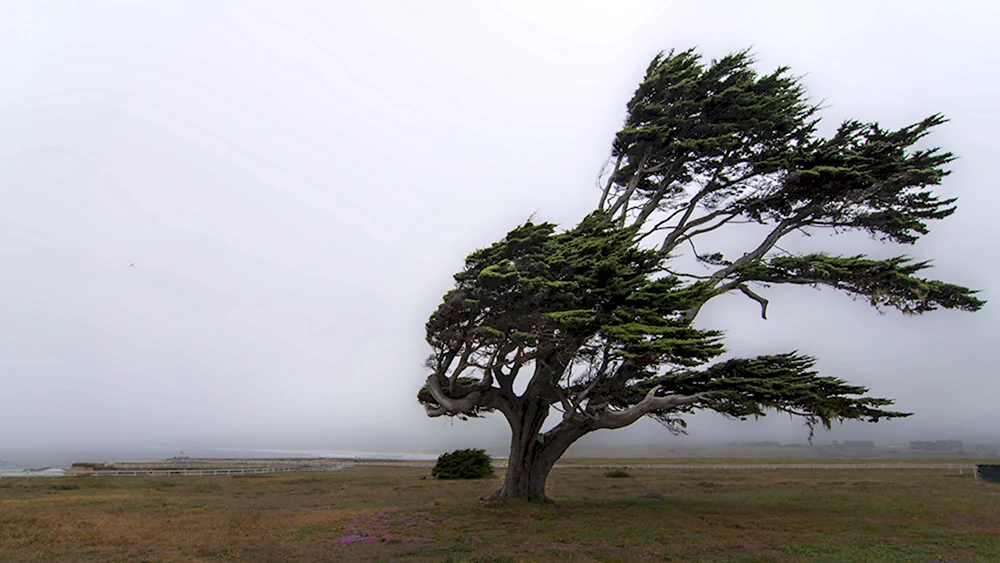
Trees are a resilient part of your yard and garden, but they are not impenetrable to the ever-changing weather conditions throughout the year.
Understanding how weather affects trees is crucial for maintaining their health and ensuring the safety and beauty of your landscape. From scorching summer heat to freezing winter temperatures, each season presents unique challenges that can stress trees, making them vulnerable to diseases, pests, and structural damage.
Through this blog, we will explore the seasonal impacts on trees, highlighting the importance of seasonal care, identifying signs of stress, and offering practical tree care tips for year-round care.
By understanding the interplay between weather and tree health, you can take proactive steps to protect your trees and ensure they thrive throughout the year.
The Impact of Weather On Trees: An Overview
Weather patterns are not just passing events; they shape a tree’s growth, health, and structural integrity over time.
Knowing how weather affects trees equips you with insights to adjust care practices based on environmental conditions. Factors such as wind, rain, drought, heat waves, and freezing temperatures all leave their mark.
Trees exposed to extreme weather may experience slowed growth, breakage, disease vulnerability, or even premature decline.
With the right tree care tips and awareness of environmental stressors, you can intervene before minor damage escalates.
Let’s take a closer look at the unique challenges and care considerations for each season.
Summer – The Time of Heat and Hydration Crisis
Summer’s intensity puts trees to the test. Prolonged high temperatures and drought cause trees to live without water and become stressed, visible through drooping leaves, browning edges, and premature shedding.
Recognize Symptoms of Heat Stress in Trees
Tree dehydration disrupts the photosynthesis process, slowing growth and weakening defenses against pests. You need a plan to fight against the odds and ensure the plants have ample water to shine throughout the season.
Summer Tree Care Tips: Keeping Cool Under Pressure
To support trees during this stressful season:
- Deep Watering nourishes roots far below the surface, helping them withstand heatwaves.
- Mulching maintains critical soil moisture, preventing evaporation.
- For young or fragile trees, temporary shade coverings reduce canopy stress and leaf scorch.
Summer is the time when changing weather conditions weaken tree systems the most, emphasizing the need for proactive hydration and shade management to avoid irreversible damage.
A neglected tree can also compromise your yard, as weakened trees can shed limbs or harbor pests that spread across your landscape.
Autumn – The Phase of Transition and Fortification
Autumn invites trees to slow down and store energy for winter. Leaves turn brilliant shades as chlorophyll fades, signaling internal changes.
Preparing for Dormancy While Strengthening For The Cold Ahead
This season is ideal for evaluating tree health, repairing summer stress, and gearing up for colder months.
Safeguarding Trees in Autumn
Key fall tasks include:
- Pruning to remove diseased limbs, reducing the risk of storm damage in winter.
- Fertilization to boost root reserves before dormancy sets in.
- A thorough inspection to identify bark damage and potential pest infestations that could overwinter in cracks or cavities.
Autumn’s mild conditions make it the perfect season to shore up your trees’ defenses, so they can weather storms ahead. This is also the moment to get ahead of storm risks by reinforcing structural stability and clearing hazards.
Winter – The Phase of Cold and Frozen Leaves
Winter blankets your yard in stillness, but beneath the surface, trees face hidden threats. From chances of falling down to living without essential nutrients, trees face numerous challenges.
How Weather Affects Trees in Winter
Freezing temperatures lead to freeze cracks, while heavy snow and ice can cause bark damage or split weakened limbs. Frozen soil impairs soil moisture retention, leaving roots vulnerable to dehydration even amid snow.
Winter Care Tips: Silent Shields for Harsh Months
Winter care focuses on:
- Mulching to insulate roots and retain precious soil moisture beneath frozen surfaces.
- Pruning dormant trees to remove branches prone to breakage.
- Wrapping young trunks to shield against sunscald and frost-induced bark damage.
With shorter days and harsher elements, it’s crucial to remember that changing weather conditions weaken tree systems, and winter’s quiet stressors can have lasting impacts if left unaddressed.
Spring – The Time of Awakening and Preparation
Spring marks the vibrant return of life after winter’s dormancy. Trees awaken with a bud break and growth surge, pushing out fresh leaves and blossoms. But this season is unpredictable—temperature fluctuations can wreak havoc.
The Time of Nature’s Renewal
A warm spell might trigger early budding, only to be halted by a surprise frost. This leads to freeze cracks that split bark, inviting disease and pests and weakening the tree.
The delicate balance between warmth and cold demands vigilance.
Spring Tree Protection Strategies: Laying A Strong Foundation
During this critical time, homeowners should focus on essential care steps:
- Mulching helps retain soil moisture and keeps the roots insulated from erratic weather.
- Pruning eliminates winter-damaged branches to redirect energy into healthy growth.
- Regular monitoring can detect early signs of canopy stress, such as uneven leafing or stunted buds.
It’s important to recognize that every season presents unique challenges. In spring, the priority is safeguarding young growth from weather extremes and preparing trees for a fruitful year ahead.
Long-Term Weather Effects On Trees
Weather’s influence doesn’t stop after a single season. Over the years, accumulative stress from wind damage, temperature extremes, and unpredictable patterns alter a tree’s growth habit, strength, and health. This highlights the importance of year-round care planned as per each tree’s species and location.
Weather-Induced Aging Signs
- Leaning trunks or misshapen canopies indicate past wind events.
- Reduced leaf density signals chronic drought or nutrient depletion.
- Visible bark damage can reveal sunscald or frost injury.
Storms, disasters, and wind damage trees are dangerous to everyone. Without proactive care, trees subjected to chronic weather stress become weaker and more hazardous over time.
Proactive Tree Protection Strategies
- Schedule seasonal inspections to spot problems early.
- Install protective barriers against wind or animal damage.
- Monitor soil moisture and amend as needed for optimal hydration.
- Apply mulch to reduce evaporation and insulate roots year-round.
Start strong by caring for young trees properly to establish resilience early. Investing in young tree care lays the foundation for long-term stability and health.
Why Weather Awareness Matters
Knowing how weather affects trees empowers property owners to anticipate and manage seasonal challenges. Preventive care isn’t just about avoiding emergencies—it’s about supporting growth, beauty, and safety across the lifespan of every tree in your yard.
With proper awareness, you’ll spot signs of stress early, intervene with targeted solutions, and enjoy healthier, longer-living trees regardless of weather patterns.
Frequently Asked Questions
Q1. How does weather impact tree growth?
Ans: Weather affects tree growth by influencing soil moisture, sunlight availability, temperature, and overall stress levels throughout the year.
Q2. What weather conditions cause tree damage?
Ans: Extreme wind, freezing temperatures, heat waves, and storms can damage branches, roots, and bark and disrupt a tree’s natural development.
Q3. Can trees recover from seasonal weather stress?
Ans: Yes, with proper care, pruning, and soil support, many trees recover from seasonal weather stress and regain their strength.
Q4. Why is seasonal tree care important?
Ans: Seasonal tree care prevents weather-related damage, supports healthy growth, strengthens resilience, and prepares trees for upcoming seasonal challenges.
Don’t let weather define your tree care routine!
Trees are living investments that deserve thoughtful, informed care in every season. By understanding how weather affects trees, you can protect their health and longevity despite nature’s unpredictability.
Whether battling summer heat waves or winter storms, strategic, customized care and storm preparation can make all the difference.
Don’t wait for the next storm or drought to reveal hidden vulnerabilities. Prepare your trees for the seasons ahead with professional guidance and personalized solutions.
Let us help you fortify your trees against weather extremes—partner with us from planting to removal for complete tree care that safeguards your landscape’s beauty, safety, and value.
