

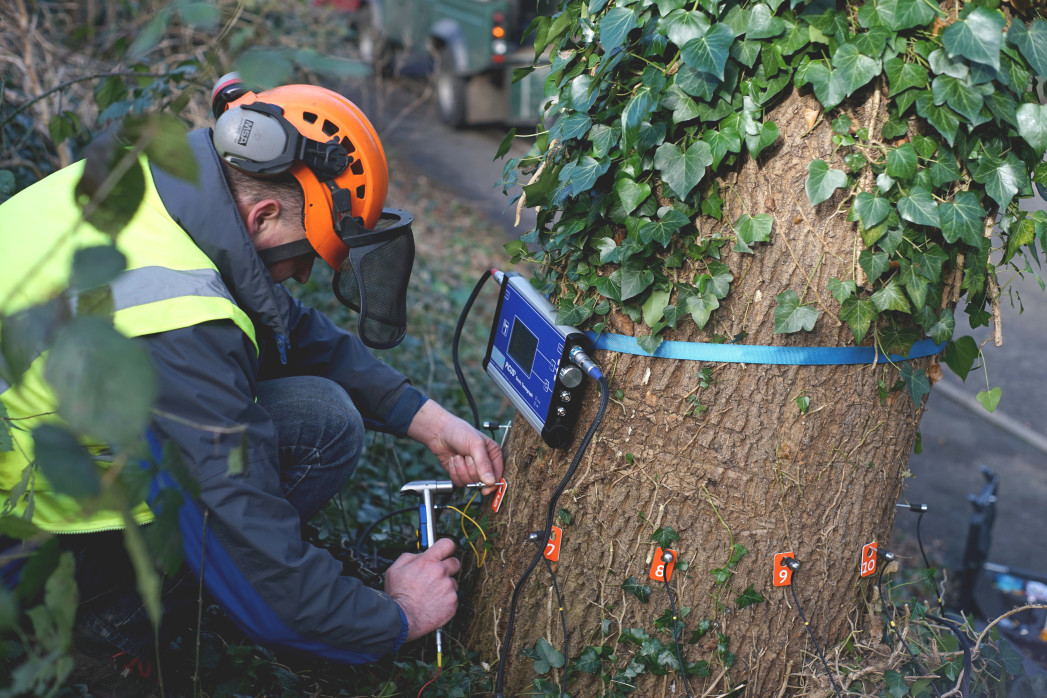
In Ohio, trees serve as more than just yard décor; they are an integral part of our history, our skyline, and the first line of protection for our homes from severe storms, heat, and erosion. However, trees can suffer just like any other living thing. The threats, which might range from aggressive infections to concealed degradation and structural flaws, are frequently not apparent until it is too late.
Understanding the frequency of tree inspections is therefore not only beneficial but also necessary. Regular inspections are your best bet for protecting your property, keeping your surrounds safe, and maintaining the health of your trees, whether you are a homeowner or property manager.
“How often should I inspect trees in Ohio?” is a question that many people have. This blog will explain all you need to know, from what professionals look for to seasonal scheduling, even though the answer is not always clear-cut.
You are in the right place if you want to give your trees the best chance of flourishing while maintaining the safety of your landscape.
Understanding The Importance of Tree Health: Why Annual Tree Inspection in Ohio Is More Than a Recommendation
Trees don’t cry out when they’re hurting. They lean, they crack, they quietly decay from within. And in Ohio’s ever-changing climate—from freezing winters to stormy springs—trees face constant environmental stress. That’s why annual checks matter in Ohio’s climate. Inspections done once a year (or more frequently if your trees are older or previously damaged) allow you to catch issues early—before they threaten safety or require full removal.
In Ohio, certified arborists evaluate trees’ overall vitality, root stability, pest or disease indicators, and structural integrity during yearly tree inspections. These are not only cursory looks. Arborists search for minor indicators, such as a slight lean that may indicate damaged roots or a fungal bloom close to the trunk that may indicate internal rot. Instead of merely removing trees, these early warnings help save them.
How often should you inspect trees? Here’s what determines the right tree inspection frequency
Although there are useful principles, there is no one-size-fits-all solution when it comes to how frequently trees should be inspected. During their early years, newly planted trees should be examined once a year. Healthy mature trees can be examined every one to three years. Nonetheless, it is sense to increase the frequency if your property has valuable specimens, heavily forested areas, or has recently seen severe storms.
The kind and age of your trees should also be taken into account. More frequent inspections are necessary for trees with a history of illness or damage. Even if they appear healthy from the outside, older trees sometimes degrade more quickly.
Don’t confuse risk with poor health—a tree may appear strong but still be at risk of failure due to internal decay or root problems.
If you’re in doubt, a routine arborist visit can help tailor a custom schedule based on your tree inventory and your local conditions.
Deep Dive into Seasonal Tree Checkups: The Ohio Tree Care Schedule You Should Be Following
Let’s take a deep dive into seasonal tree checkups. Each season in Ohio presents unique challenges and opportunities for tree health.
Spring
This is the perfect time for post-winter assessment. Arborists check for frost cracks, salt damage, and dead branches that didn’t make it through the cold. This season also marks the return of pests, making early detection critical.
Summer
With full foliage, signs of stress—like early leaf drop or thinning canopies—become apparent. Summer is also prime time for insect infestations and fungal growth. If caught early, these issues can be treated before they spread.
Fall
This is ideal for pruning and preparing trees for winter. It’s also a good time for a seasonal tree checkup to assess how the tree has fared through the year and ensure there’s no weakness heading into harsher months.
Winter
Though not an obvious time for inspection, winter gives arborists a clearer view of branch structure and potential hazards, especially during dormancy.
What Arborists Look for During an Inspection: A Tree Inspection Checklist You Can Trust
So, what exactly goes into a professional tree inspection checklist? Here’s a closer look at what arborists check when assessing your trees:
Crown Condition
Is the foliage full, healthy, and evenly distributed? Sparse crowns can signal root or internal decay.
Trunk Integrity
Arborists inspect for cracks, cankers, cavities, or fungal growths that may indicate signs of decay or hidden infestations.
Root Health
A common source of failure lies beneath the surface. Exposed or girdling roots, soil heaving, and poor drainage are red flags.
Tree Disease Indicators
Yellowing leaves, spotted bark, oozing sap—these are visual symptoms that something deeper is wrong.
Structural Stability
Are there co-dominant stems? Weak branch unions? These are potential break points during storms.
Protect Your Property with Timely Inspections: What to Check Before It’s Too Late
One unsteady tree or damaged limb can result in thousands of dollars in damage, or worse, personal injury. Experts often emphasize the importance of timely inspections to safeguard your property. Even a small flaw can turn into a serious threat in Ohio because of the state’s year-round unpredictable storms and strong winds.
Knowing what to check before it’s too late is essential. Pay attention to:
- Trees leaning more than usual
- Cracks in the soil around roots
- Branches that hang low or seem “too heavy”
- Bark peeling off in strips
- Sudden leaf drops or discoloration
How to Stay On Top of Tree Health with A Realistic Tree Inspection Schedule
Tree inspection frequency isn’t about guesswork—it’s about protecting what you value most. One of the best things you can do as an Ohio homeowner, company owner, or property manager is to establish a practical inspection schedule.
Think about it: your trees are living things that develop, mature, experience hardship, and adjust. Regular care is the least we can do to help them. Make it a yearly ritual, similar to inspecting your HVAC system, roof, or gutters. Only when they are secure and healthy can trees provide shade, beauty, and value.
So, where do you go from here? It’s simple—schedule your certified arborist inspection now. Get an expert on-site who can provide clarity, confidence, and a clear plan moving forward. Your future self—and your trees—will thank you.
Let Your Trees Thrive: Why Timely Inspections Are the Root of a Safer, Greener Future
Beyond just being beautiful, the trees that border your property serve as companions, caregivers, and protectors throughout the year. However, they can turn into burdens rather than assets if they do not receive consistent care and attention. Routine inspections are not optional in Ohio, where disease burdens are rising and weather extremes are common.
Beyond only avoiding damage, you are saving lives by being aware of the frequency of tree inspections, being vigilant about seasonal tree examinations, and depending on expert advice. So, don’t wait for the next storm or sudden crack. Don’t let neglect steal away decades of growth. And most importantly, don’t confuse risk with poor health—sometimes the danger is hidden.
Give your trees the care they deserve, and they’ll stand tall for generations. Whether it’s springtime renewal or a pre-winter check, now’s the perfect time to act. Protect your property with timely inspections.

