

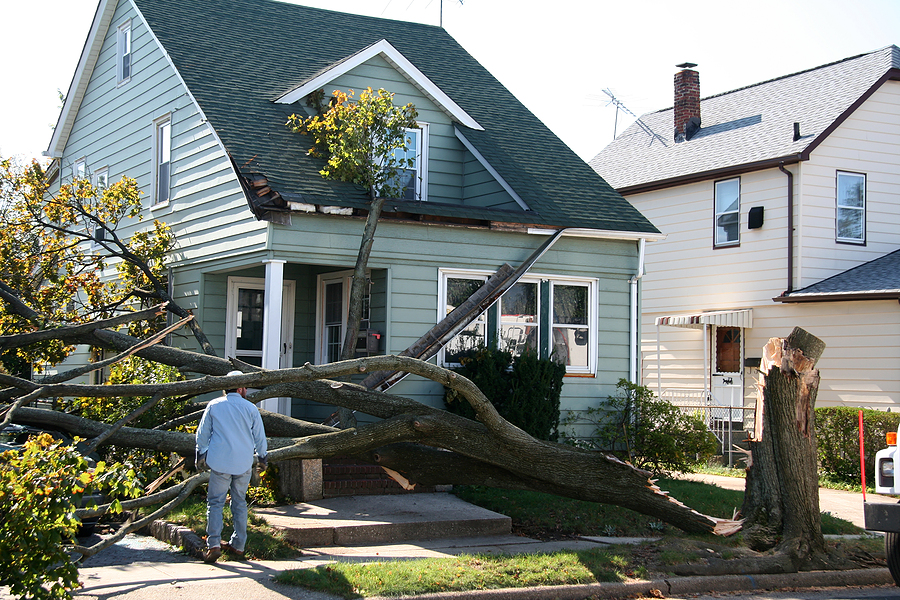
Even though storms might strike without much notice, you do not have to be unprepared. Protecting your trees is one of the most neglected parts of being prepared for storms. Proper storm prevention for trees doesn’t just protect your landscape—it helps avoid costly damage to your home, vehicles, and power lines.
Numerous homeowners must pay for costly repairs every year as a result of uprooted trees or fallen branches. The good news is that the majority of that harm can be avoided. You can protect your property and trees against seasonal storms by taking preventative measures. Knowing the risk factors and acting quickly are crucial.
Remember, preparation starts before the forecast hits. Let us go over everything you need to know about minimizing storm-related tree damage, from expert emergency tree services to inspections and the removal of unstable limbs. If you take care of your trees before the sky turns gloomy, they can withstand any storm.
Why Fall Hazard Assessment Is a Crucial Part of Storm Prevention for Trees
Even if your trees appear healthy from the outside, they could be ticking time bombs during a storm due to unseen degradation and hidden structural defects. Lightning, strong winds, and rain can uproot trees, break off branches, and wreak havoc on your property.
Additionally, once a storm strikes, your only option is to pray for the best. Your landscape management plan should therefore include storm prevention for trees on a regular basis. Particularly at risk are trees that have not been trimmed or that have poor structural integrity.
The likelihood of a tree failing increases if you include damp, saturated soil in the mixture. Assessing the general stability of your trees is a more important part of proactive storm care than simply pruning branches. Knowing when to remove dead or risky limbs early can be the difference between a peaceful stormy night and a chaotic emergency.
Essential Tree Inspection Checklist: Spot Trouble Before the Wind Blows
Spend some time examining your trees, or have a professional examine it, before a storm even looms on the horizon. This straightforward tree inspection checklist will assist you in identifying potential hazards early on:
Cracks in The Trunk or Major Limbs
These are signs of structural failure waiting to happen.
Dead or Hanging Branches
These are often the first to break off in high winds.
Leaning Trees
A lean of more than 15 degrees may indicate root damage or instability.
Mushrooms or Fungi at The Base
This may signal root rot or decay inside the trunk.
Excessively Dense Canopies
These catch more wind and are more likely to be uprooted.
You may develop a strong strategy by keeping an eye on these hazards. A qualified arborist can see problems and advise whether structural pruning or removal is required if you are not sure.
Weak Limb Removal and Structural Pruning—Your First Line of Defense
Removing weak branches and fixing bad structure are two of the best ways to get your trees ready for a storm. Weaknesses are often exploited by strong winds, and when the weather turns violent, brittle limbs become projectiles. Structural pruning can help with this. Strengthening the core of your tree is more important than merely improving its appearance.
Pruning properly removes limbs with weak attachments, promotes strong branch angles, and redistributes weight. Your trees will remain healthier overall if you remove any limbs that are already dead or unhealthy. It is particularly important for trees that are close to your house, garage, or driveway.
A specialist can determine whether your trees require cabling, a method that uses flexible steel cables to support weakened or damaged branches. These systems can decrease the likelihood of breaking and increase the lifespan of your tree. To put it briefly, do not wait until branches start to fall. Your trees have the best chance of surviving the next storm undamaged if you take preventative measures.
Fall Hazard Assessment and Storm Prep Go Hand-In-Hand
It is imperative to perform a fall hazard assessment as the season progresses. Why tumble? Because now is a crucial time to assess the health of trees as they prepare for dormancy. Trees that are dangerous should be pruned, stabilized, or even removed at this time.
Signs of stress or damage that can be obscured during fuller seasons are easier to see while leaves are falling. Tree roots become more susceptible in the fall when soil moisture levels begin to change. Your trees may be under a lot of stress if you add it to the increasing wind activity and shifting weather patterns.
During this time, expect seasonal stressors that affect tree stability, such as early frost, high rainfall, and dry spells. Remember to evaluate your younger trees as well. While the attention is typically on older trees, saplings require protection and nurturing. They can be strengthened to withstand storms with the use of slow-release fertilizer, mulching, and stakes.
Emergency Tree Services: Knowing The Next Steps If Prevention Fails
A severe storm can cause even the best-maintained tree to fail. Just as crucial as your preventive measures are learning how to react when something occurs. Emergency tree care becomes crucial at that point.
Never try to remove a tree yourself if it falls on your house, car, or electrical line. These circumstances are risky and call for certain tools and qualified knowledge. An emergency tree service that operates around-the-clock can rapidly evaluate the damage, stabilize the area, and start the removal process safely.
Know the next steps if prevention fails:
- Keep emergency contacts handy—tree service, utility companies, and your insurance provider.
- Avoid going near the fallen tree, especially if it’s touching power lines.
- Document the damage with photos for insurance purposes.
- Call your tree service immediately to prevent further property damage or safety risks.
Quick action during a crisis can minimize risk and cost—another reason why storm prevention trees strategies are worth your time and investment.
The Role of Cabling and Tree Bracing in Preventing Storm Damage
Because of its species, age, or growth pattern, a tree may occasionally be structurally sound yet still require additional support. This is where bracing and cabling are useful. To avoid splitting under stress, these methods entail putting in place strong steel cables or rods around weak forks or between large limbs.
Cabling can stabilize and lessen movement in trees with many trunks or a wide, spreading canopy. It is an environmentally friendly method of prolonging the life of a tree that might otherwise be regarded as dangerous.
For legacy or heritage trees that you wish to conserve, cabling works particularly well. It is not always necessary to remove a suspect tree during a storm; sometimes all you need to do is provide it with the proper support so it can resist the force of nature.
Seasonal Planning and Smart Maintenance: It’s Not Just a One-Time Fix
Tree damage prevention before a storm is a seasonal commitment rather than a one-time affair. Seasonal adjustments should be made to your tree care plan to accommodate shifting soil types, weather patterns, and tree growth cycles.
- Spring is ideal for assessing winter damage and encouraging new growth.
- Summer is about keeping canopies thinned for airflow and lightning protection.
- Fall brings your last chance to prune and stabilize before storms hit.
- Winter is for structural evaluations and snow-load management.
It pays to maintain throughout the year. Your trees become more storm-resistant and visually appealing with routine inspections, pruning, and health evaluations. Consider it an insurance policy for your home, your landscape, and your mental health.
Book Seasonal Tree Care Now and Reduce Risk Before the Next Storm
Your trees are an important feature of your house, if they are neglected, they can become dangerous. Ignoring tree care can have serious consequences, whether it is from a winter ice blast or a summer thunderstorm. The best defense is proactive care, and it does not have to be difficult. You can experience peace of mind and a beautiful, healthy landscape with the correct team and prompt solutions.
Now is the time to act. Don’t wait until the next big storm is already on its way. Reduce risk with a pre-storm tree checkup, identify hazards, and strengthen your trees against damage. Professional assistance is crucial for everything from emergency reaction to the removal of weak limbs.
Make an appointment for seasonal tree maintenance today to ensure your trees thrive in all seasons.

