

Do you want to design a beautiful outdoor area with a greener ambience that can withstand Ohio’s erratic weather? Selecting the best trees for Ohio has to offer can drastically change your landscape, regardless of your level of gardening experience. But with Ohio’s mix of weather patterns, soil types, and seasonal shifts, it’s essential to choose wisely to avoid common planting issues.
Choosing the perfect species, comprehending the requirements of your property, and planning your landscape for years to come are all important considerations when planting a tree. The correct tree can improve curb appeal, privacy, shade, and even energy efficiency.
You need professional advice on what thrives in the Buckeye State, though, in order to do all of that. We will go over the greatest trees to plant in Ohio in this extensive guide, offer advice on how to maintain your trees from day one, and assist you in creating a beautiful landscape that will last.
Why Choosing the Best Trees to Plant in Ohio Starts with Understanding the State’s Unique Climate
Not all trees will thrive in Ohio because of its four unique seasons, which include frigid winters, muggy summers, and abundant rains. Hardiness, adaptability, and suitability for Ohio’s distinct growth zones—which span from Zone 5 in the north to Zone 6 in the south—are essential for our Midwest climate trees.
Certain trees may appear lovely in garden centers, but they may not do well in Ohio’s temperature fluctuations, clay-based soils, or invasive pests. Climate-friendly trees are therefore more than just a catchphrase; they are essential to success. Selecting native trees or ones that have shown strength to regional illnesses guarantees long-term beauty and health without requiring ongoing care.
Therefore, it is crucial to evaluate your location before planting. Are you trying to find some shade? Privacy? Windbreak? Color? Fruit? You need to plant for both purpose and beauty, taking into account a tree’s growth over the next ten, twenty, or fifty years in addition to its current appearance.
Top Native and Low Maintenance Trees in Ohio for Beautiful, Easy-Care Backyards
Native trees are the best in terms of strongest and longevity. They are beneficial to Ohio’s wildlife and pollinators in addition to being well-suited to the local environment. The following are some of the natural and low-maintenance trees that are ideal for planting in Ohio:
Eastern Redbud (Cercis Canadensis)
A small, ornamental tree that explodes with pink blooms in spring. Perfect for small yards and works wonderfully as a focal point in any Ohio landscaping tree setup.
- Climate: Hardy in zones 4–9
- Soil: Tolerates most, prefers well-drained
- Care: Minimal pruning, pest-resistant
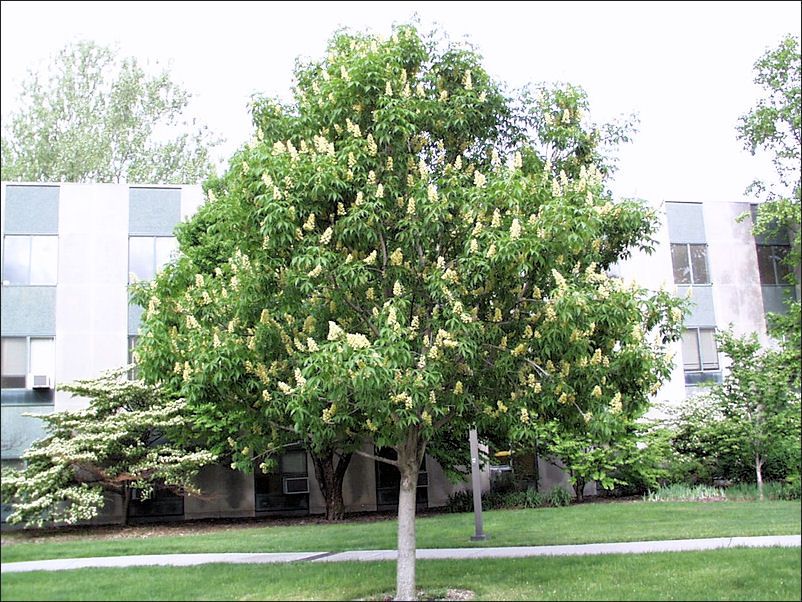
Ohio Buckeye (Aesculus Glabra)
Ohio’s namesake tree offers spring flowers, a unique branching structure, and attracts birds and pollinators.
Climate: Zones 3–7
Soil: Moist, rich soil preferred
Bonus: Pest-resistant and native to the region
Serviceberry (Amelanchier Spp.)
Known for its delicate white blossoms, edible berries, and stunning fall color, this ornamental tree is perfect for any homeowner who loves multi-season interest.
Red Maple (Acer Rubrum)
Famous for its brilliant red fall foliage, this is a favorite backyard tree Ohio residents love for shade and beauty.
- Growth: Fast-growing, 40–70 feet tall
- Soil: Tolerates wet and acidic soils
- Care Tip: Avoid planting near sidewalks due to surface roots
Best Ornamental Trees in Ohio for Visual Impact & Easy Maintenance
These famous ornamental trees from Ohio will add charm, color, and structure to your outdoor area if aesthetics is a top priority for you.
Japanese Tree Lilac (Syringa Reticulata)
Not your average lilac—this tree form blooms in late spring with creamy white flowers and a mild fragrance.
- Height: 20–30 feet
- Best Use: Accent tree, near patios or entryways
- Bonus: Tolerates urban conditions and is pest-resistant
Flowering Dogwood (Cornus Florida)
Dogwoods are native plants that are renowned for their red fall berries, tiered branches, and delicate white or pink blossoms.
- Soil Compatibility: Prefers slightly acidic, well-drained soil
- Growth Zones: 5–9
- Maintenance: Moderate—prune deadwood, watch for mildew
Crabapple (Malus Spp.)
Without the mess of older crabapple tree cultivars, newer ones give beautiful spring blooms and tiny fruits.
- Low Maintenance Trees in Ohio: Yes!
- Climate Friendly Trees: Disease-resistant cultivars are best
- Style: Great for front yard ornamental features
Each of these trees is a showstopper in its own right and offers the dual benefit of beauty and adaptability. Remember, choose wisely to avoid common planting issues like root crowding, poor drainage, or incorrect spacing.
Soil, Sunlight, And Space: Essential Tips for Keeping Your Trees Healthy from Day One
There is more to planting a tree than simply putting it in a hole. Knowing your yard’s sunlight, drainage, and soil compatibility is the first step toward success. Too deep, too shallow, or poorly drained plantings are the main causes of many tree failures.
Key tips for tree health:
Test Your Soil
For pH and drainage. Ohio soils range from sandy loam in some areas to heavy clay in others.
Don’t Crowd Your Trees
Even ornamental types need space to stretch their limbs and roots.
Mulch Properly
Avoid “volcano mulching,” which can cause rot. Use a 2–3 inch layer around the base but keep it off the trunk.
Water Consistently
Especially in the first 2 years, when root systems are developing.
These tips for keeping your trees healthy from day one will ensure they establish faster and grow stronger over time. And if you’re unsure about planting or soil prep, consider professional tree planting services to get it done right the first time.
Tree Planting Services & Landscape Integration: How to Design a Tree-Friendly Backyard That Lasts
Trees are only one aspect of a beautiful environment; another is how they blend in with your house, way of life, and the passing of the seasons. For this reason, a lot of homeowners choose to hire experts to do their landscaping and tree planting.
Here’s what expert landscaping brings to the table:
Site Assessment
Ensures you choose species that suit your sun, soil, and space.
Functional Design
Trees are planted not just for beauty, but to provide windbreaks, shade patios, block noise, or frame views.
Maintenance Planning
Placement that allows for mowing, pruning, and seasonal upkeep without hassle.
When properly executed, tree landscaping increases home value, reduces energy expenses (shade = lower cooling costs), and enhances mental health. Planting for both purpose and beauty is the aim; each tree should have a specific function, such as blooming, providing a buffer, or adding beauty.
FAQS
What are the best native trees to plant in ohio for low maintenance landscaping?
Some of the best native trees to plant in Ohio that require minimal maintenance include the Ohio Buckeye, Eastern Redbud, and Serviceberry. These trees are well-adapted to Ohio’s Midwest climate and offer strong resistance to local pests and diseases. Choosing native trees ensures better soil compatibility and reduces watering and fertilizing needs. If you’re looking for low maintenance trees in Ohio that provide both beauty and function, native species are a smart, eco-friendly choice.
How do i choose the right backyard trees in ohio for both function and beauty?
When selecting backyard trees in Ohio, it’s important to plant for function and aesthetics. Consider what you want the tree to do—provide shade, privacy, seasonal color, or attract wildlife. Ornamental trees in Ohio, like Flowering Dogwood or Crabapple, offer stunning blooms, while trees like Sugar Maple provide ample shade and vibrant fall foliage. Always choose wisely to avoid common planting issues related to size, root spread, or growth rate. Consulting local tree planting services can help ensure you select the best species for your space and goals.
When is the best time to plant trees in ohio and how can i ensure they stay healthy?
The ideal time to plant trees in Ohio is during early spring or fall, when temperatures are mild and moisture is more abundant. These conditions allow roots to establish before the stress of summer heat or winter frost. To support long-term health, follow tips for keeping your trees healthy from day one—like mulching properly, watering consistently, and choosing climate-friendly trees suited to Ohio’s growth zones. Proper care in the first year sets the stage for a lifetime of beauty and resilience.
Let Us Help You Pick the Perfect Trees for Ohio
It is time to realize your dream now that you know more about the best trees Ohio has to offer. The correct tree makes all the difference, whether your goal is to improve curb appeal, add privacy, shade, or beauty. Ornamental trees may create a living artwork in your lawn, while native species are more strong, low care, and sustainable.
Your Ohio landscape may flourish for many years with careful design, the appropriate tree choice, and professional assistance. So don’t go it alone—let us help you pick the perfect trees for Ohio. Our professional team understands your soil, your climate, and your goals. Reach out today and let’s grow something beautiful together!

