

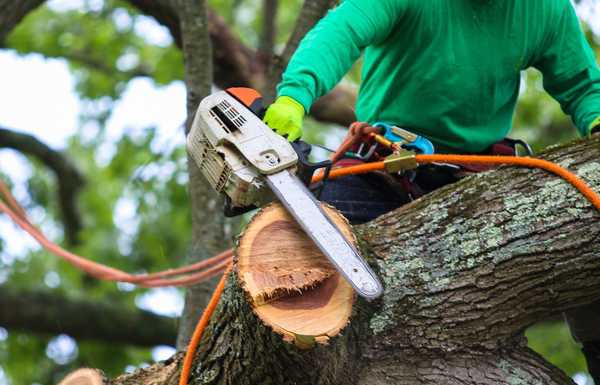
Trees add beauty, shade, and life to your gardens or yards, but regular maintenance is a must to keep them healthy and safe!
However, many homeowners wonder if tree trimming vs. pruning are the same thing or completely different.
Understanding this difference isn’t just necessary for the growth of your landscape; it directly affects the well-being and health of your trees and the safety of your property.
In this blog, we’ll explore what sets these two practices apart, why both are necessary and how they fit into your overall tree care tips strategy.
What will you get? You will receive the essential knowledge to make informed decisions for your trees, whether tackling overgrown branches or fine-tuning the health of your landscape.
What Does Tree Trimming Really Mean?
When people think of trimming a tree, they often imagine shaping it for a cleaner look and making it more beautiful and aesthetically appealing. And that’s exactly what it is!
Tree trimming focuses primarily on aesthetic trimming, maintaining the outward appearance and structure of your tree. The goal is to remove excess growth, especially in fast-growing species, to keep branches from overextending or growing too densely.
A well-trimmed tree maintains its original shape, which can improve the overall curb appeal and also prevent branches from brushing against roofs, windows, or power lines.
This practice is also necessary for shaping trees in decorative landscapes, making sure they don’t overshadow other plants or block natural light.
But trimming isn’t just about looks! You need to understand it more deeply!
Trimming can prevent future issues by eliminating weak or overcrowded limbs that could break off in storms or interfere with structures. In fact, improper planting can affect long-term trimming needs, leading to more aggressive or frequent trims down the road as the tree competes for space and light.
Understanding Tree Pruning – More Than Simple Cutting Technique
Did you know that pruning is a more surgical approach to tree care? To understand tree trimming vs. pruning, you need to understand it in detail.
Rather than simply shaping the tree, pruning involves the targeted removal of damaged, diseased, or structurally unsound branches. This practice falls under structural pruning and is essential for encouraging strong, healthy tree growth over time.
The purpose of pruning isn’t just to maintain a tidy appearance but to enhance the tree’s inner health.
Pruning also promotes better airflow and reduces the overall risk of fungal infections or pest infestations by eliminating crossing branches or limbs that grow inward toward the trunk.
One of the biggest pruning benefits is improving the tree’s structural integrity, preventing future breakage, and guiding growth in a way that avoids long-term issues. Redirecting energy to healthier branches also gives the tree a better chance to thrive in its environment.
Tree trimming vs. Pruning: Key Differences
Primary Goals
As per the arborist trimming guide, the key difference between them lies in their primary goals. Trimming emphasizes outward appearance and managing fast, excessive growth, while pruning focuses on the tree’s internal health and structural soundness.
Purpose and Frequency
Think of trimming as a haircut and pruning as a health checkup. Both involve removing parts of the tree, but each serves a different purpose. For example, trimming might be scheduled more frequently to control unruly branches, whereas pruning follows a more strategic timeline aligned with the tree’s growth cycle.
How to Evaluate Your Tree’s Needs
It’s important to see if your tree needs trimming or a lighter touch by evaluating both its current shape and health. An overgrown canopy might call for trimming, while dead or diseased limbs signal a need for pruning. You must know when to trim trees and when to prune trees. Don’t mix them, ever!
When Should Your Trim or Prune Your Trees – The Ultimate Knowledge!
One of the most common concerns is knowing when to trim or prune the trees while avoiding harming your trees.
Trimming is often performed during the growing season to control rapid branch growth, while pruning is typically best done in late winter or early spring before new growth emerges.
Seasonality plays a role because improper timing can stress the tree or expose it to diseases. For example, when it’s time to trim, you choose to prune it. This will not only waste your money but also affect the overall health of your trees, impacting your garden’s beauty.
Pruning during active growth can leave open wounds vulnerable to pests. Meanwhile, trimming at the wrong time may encourage uneven or weak growth.
Tree Trimming Vs Pruning – Essential Techniques for Healthy Trees
Now you know when to trim trees and when to prune trees, but what about the technique for cutting them? Is it crucial to know?
Both trimming and pruning require specific cutting techniques to avoid damaging the tree. Poor cuts can leave stubs, tear bark, or create entry points for disease. Proper methods involve making clean cuts at the correct angle and distance from the main trunk or parent branch.
A good arborist trimming guide recommends using the right tools suited to the size of the branch being cut and emphasizes sterilizing equipment to prevent the spreading of disease.
For larger trees or branches near structures, hiring a professional arborist is strongly advised.
How to Balance Plant Health Vs Appearance?
Finding the right balance between managing plant health vs it’s overall appearance is at the heart of all tree care tips.
While trimming maintains a visually pleasing shape, too much trimming can weaken a tree by removing too much foliage, reducing its ability to photosynthesize.
On the other side, focusing solely on health through pruning without attention to shape can lead to an uneven, messy appearance.
Only with a skilled approach combined with both practices can maintenance be aligned with the species’ natural form and growth tendencies.
Knowing Maintenance Frequency: How Often is Enough?
A common question is how often trees need trimming or pruning. Knowing the frequency of maintenance is crucial, as it depends on the species, age, location, and purpose of the tree.
Ornamental-style trees may need trimming annually to preserve their shape, while mature shade trees might only require pruning every few years to maintain structural integrity.
It’s also worth considering environmental factors like wind exposure or storm risks. In regions prone to severe weather, trimming and pruning may need to be performed more frequently to minimize hazards.
Benefits of Topping Trees: A Controversial Practice
You might have heard about topping trees, but is it a good choice? Many arborists discourage this concept.
Topping or cutting the main leader of a tree can lead to weak regrowth, increased susceptibility to pests, and reduced lifespan.
While topping might temporarily reduce tree height or density, it often causes more harm than good. Instead of topping, controlled trimming and strategic pruning offer safer, healthier alternatives for managing tree size.
Always choose strategic tree health maintenance practices for better growth and health of trees.
Respect The Lifecycle of Tree Growth
Understanding how pruning fits into a tree’s lifespan is key to long-term tree health.
Pruning isn’t a one-time event; it should occur periodically throughout the tree’s life to guide its form, remove weak or diseased growth, and encourage resilience. Young trees benefit from structural pruning to establish a strong framework, while older trees need selective pruning to remove aging limbs without compromising stability.
Neglecting pruning benefits during critical growth phases can lead to irreversible issues, including poor branch attachment or uneven weight distribution.
Early intervention through pruning sets the foundation for a healthier, safer, and longer-lived tree.
Trim vs. Prune: The Right Care for Healthier, Longer-lasting Trees
Whether you’re looking to enhance the overall curb appeal or extend the life of your trees, understanding the difference between tree trimming vs. pruning empowers you to make the best choices.
Honestly, both techniques serve a greater purpose in maintaining healthy, safe, and beautiful landscapes. However, neglecting one or prioritizing one over another leads to disaster.
Remember, improper trimming or pruning can affect long-term needs by forcing trees to grow in unnatural ways that require more aggressive maintenance.
Proper planting, paired with ongoing trimming and pruning, lays the groundwork for healthier trees that thrive for decades.
For expert guidance customized to your unique trees, talk to an expert about trimming vs. pruning today and ensure your landscape stays safe, beautiful, and thriving year-round.

